Criticalista has moved – you will be redirected to http://criticalista.com

Criticalista: office building
Showing posts with label office building. Show all posts

2013/11/20

Hotel Agbar

image courtesy Wikipedia 
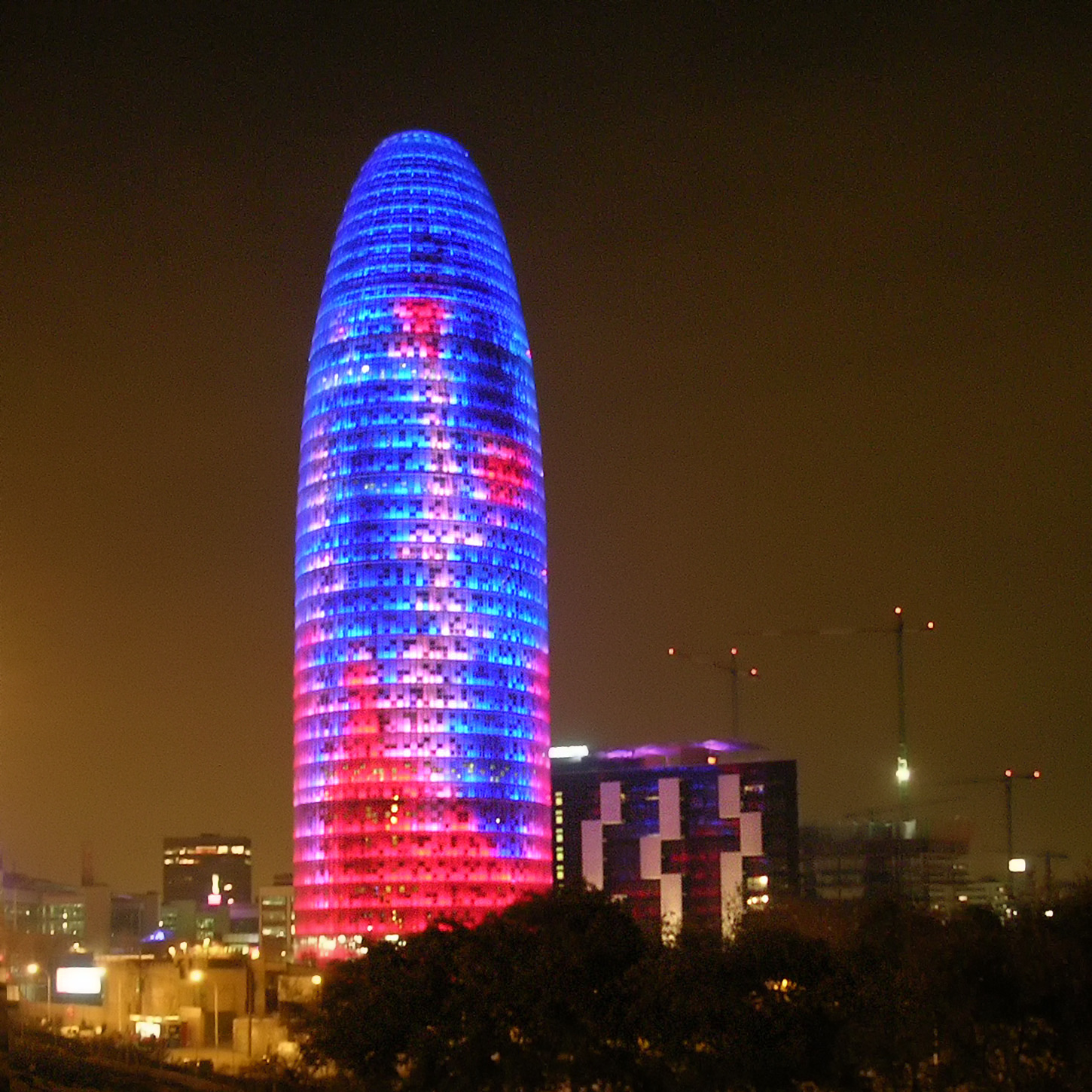
Barcelona's La Vanguardia newspaper reported three days ago that the Agbar Tower, an office building designed by Jean Nouvel and completed in 2005, is to be converted into a luxury hotel. The news should come as no surprise. Architecture has been responding better to the demands of tourists than those of workers or dwellers for some time now.

La Torre Agbar was specifically designed as the headquarters of the Agbar water company, hence Nouvel's geyser metaphor, but this company only occupied a portion of the building, renting the rest of its floor space out to other businesses (which is typically the case with corporate headquarter buildings, as we know from Carol Willis's book Form Follows Finance). The tenants didn't stay very long, and the Agbar company found itself alone with floor space it couldn't rent out. The building works wonders as an icon, but it obviously fails as an office building.

top floor of Agbar tower

Along comes the Hyatt Grand Hotel chain to the rescue. Their renovation plan foresees two entrances: one for hotel clients, and another for architectural tourists, which they estimate will number around one and a half million per year. Express elevators will whisk camera-toting, ticket-paying sightseers to the very top of the building, where they will be able to photograph the urban panorama of Barcelona, including the nearby Sagrada Familia temple, to their hearts' delight.

The transformation of this icon from workplace to tourist attraction provides evidence of another, much larger, transformation. Architecture has over the last decade or two become an important component of the tourism and leisure industry. It is something that we visit in our travels or take in at Saturday sports matches or Sunday museum outings. Barcelona is where this shift is most palpable. Once an important industrial city, it is now a tourist mecca. In addition to a thriving 'tourism of architecture' (Gaudí, Mies, Sert, Catalan Civil Gothic, etc.), more recently this city has also become specialized in building an 'architecture of tourism'. When completed, the Grand Hotel Agbar will probably exemplify this new typology perfectly.

2011/05/19

Blackwash


You wouldn’t know it from looking at photographs such as these. You wouldn’t even know it if you were standing in front of the building itself. And you would definitely never suspect it knowing the architects are RCR Aranda Pigem Vilalta, the Catalan trio known for its uncompromisingly architectural architecture. No, you would only know it if someone in the know made it known: this is a “green” building; LEED certified and all. 
So where, you might well ask, are the photovoltaic panels, the wind turbines, or the nitrogen-inflatable EFTE pillows? Why isn’t the building set in a Teletubbies landscape? And considering this is a private-sector commercial office building: where is the eco-lifestyle advertising billboard that doubles to greenwash the corporate brand? No, this building does not make hay out of the tons of CO2 that it prevents from being emitted annually into the atmosphere, nor does it show off its rooftop photovoltaic panels, solar hot water heating system, or grey water-flushing toilets (thank goodness).
On the other hand, this building does make ordinary sheet steel (recycled and recyclable, of course) look like slabs of marble à la Barcelona Pavilion; it makes a two-way reflective glass interior light-well recall a Dan Graham installation; and it manages to visually appropriate the neighboring Repsol service station (designed by Norman Foster) in order to transform it into a piece of corporate sculpture in a plaza. Could it finally be that designing a building that saves energy and natural resources no longer needs to look like it’s doing so, and that it might actually even delight us in the process?


[originally published in Mark Magazine #31]